1. Booming Demand Amid Strong Labor & Consumer Markets
Indy’s unemployment hovers around 4.0%, with the workforce growing ~1.3% over the past year alliescommercialrealty.com+11.
Rising employment and consumer spending help fuel restaurant real estate, particularly in dining-centric suburbs like Avon, Fishers, and Carmel. These areas have low vacancy rates and high absorption for quality spaces alliescommercialrealty.com.
2. Urban Revival & Revitalization of Cultural Districts
Neighborhoods such as Broad Ripple, Mass Ave, Fountain Square, and Market East are seeing increased investment in dining due to booming mixed-use development and growing foot traffic goodindevelopment.com+3.
Redevelopment projects like the $175M City Market renovation are integrating retail, housing, and dining—driving demand for restaurant space in historic and cultural hubs en.wikipedia.org+2.
3. Hybrid Hospitality Trends & Experiential Dining
Indianapolis draws nearly 30 million visitors annually, with strong convention and sports tourism supporting casual dining and experience-based restaurants en.wikipedia.org+1.
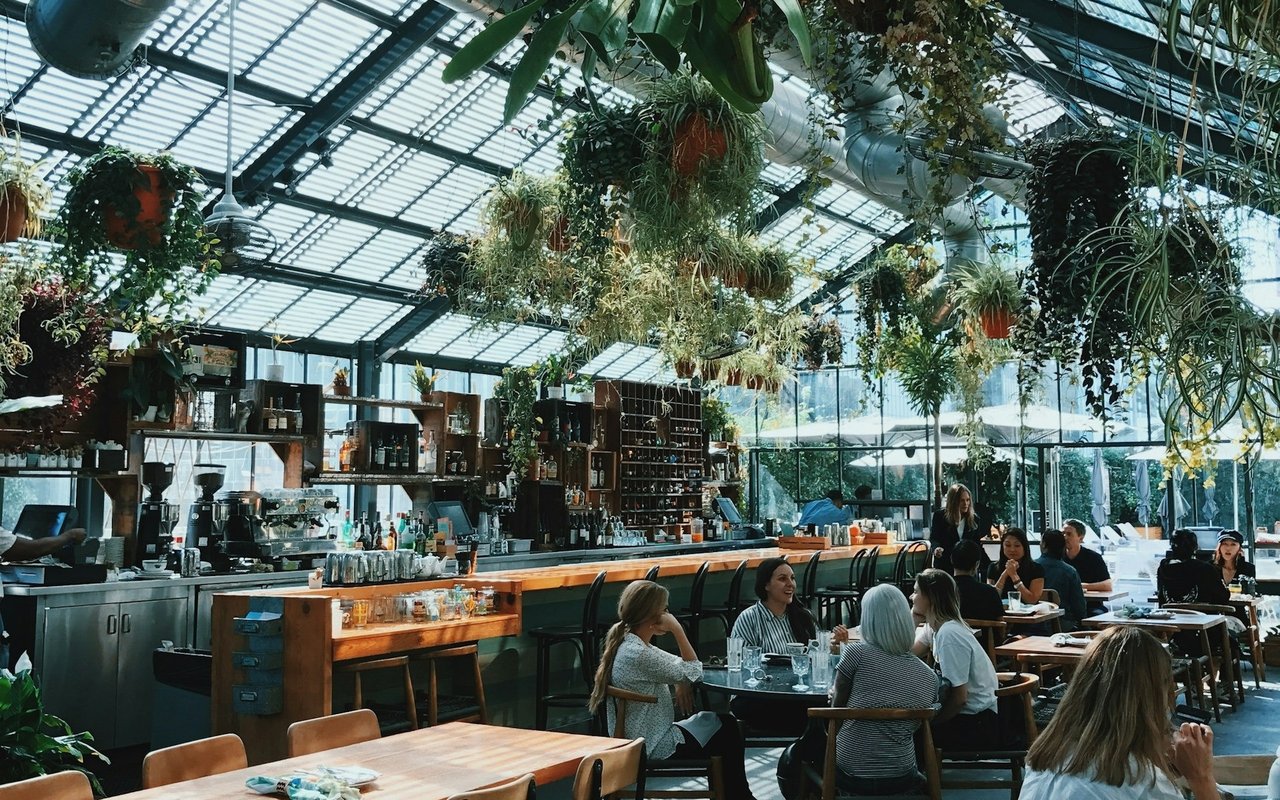
Demand is increasing for venues offering unique ambiance, local brews, and “Instagrammable” charm—especially in downtown and Creative Districts .
4. E-Commerce & Restaurant Conversion Trends
In addition to retail-to-industrial conversions, some dining spaces are being repurposed or co-located with fulfillment efforts, like ghost kitchens or pickup hubs caraconde.com.
This flexibility allows restaurant owners and investors to reimagine spaces—balancing dine-in with carry-out and delivery models.
5. Infrastructure Investment Supports Dining Access
Major public projects—such as the I‑69 expansion, IndyGo transit lines, and cultural trail extensions—boost connectivity and foot traffic to dining areas jdmpartners.com+9.
Better transit and enhanced public realms support outdoor seating, walkable districts, and enhanced restaurant exposure.
Key Takeaways for Investors & Operators
Trend | Opportunity | Consideration |
|---|---|---|
Suburban growth | Retail strips & QSR expansion | High demand, low vacancy—price premium |
Cultural/urban districts | Experience-led restaurants | Signature & local-themed spaces thrive |
Mixed-use redevelopment | Ground-floor leasing upside | Requires strong concept and lease terms |
Flexible space use | Ghost kitchens, hybrid models | Layout adaptability is essential |
Infrastructure improvements | Enhanced accessibility | Higher rents in transit-adjacent areas |
Final Thoughts
Indianapolis’s restaurant real estate market is energized by economic growth, culture-driven redevelopment, and expanding culinary demand. Savvy investors and operators can capitalize by:
Seeking prime spots in suburban corridors and new mixed-use districts
Embracing flexible, experiential restaurant designs
Monitoring upcoming public works to anticipate future hotspots
At Annie Scott Realty Group LLC, I help clients navigate these trends—matching spaces with concepts and leveraging market insight to execute successful restaurant-infused real estate strategies across Greater Indy.
Photo Credit: Luxury Presence
Sources:
Allies Commercial Realty – Indianapolis Retail Demand crexi.com | alliescommercialrealty.com | en.wikipedia.org+7 | axios.com+7 | loopnet.com+7 | jdmpartners.com+3 | talktoannie.com+3 | allproconstructionindy.com+3
Wikipedia Cultural & Market East Districts en.wikipedia.org+1 | en.wikipedia.org+1
Cara Conde / All Pro Construction – Infrastructure & E-commerce trends allproconstructionindy.com
Indy Metro economic stats & hospitality data goodindevelopment.com+4 | en.wikipedia.or